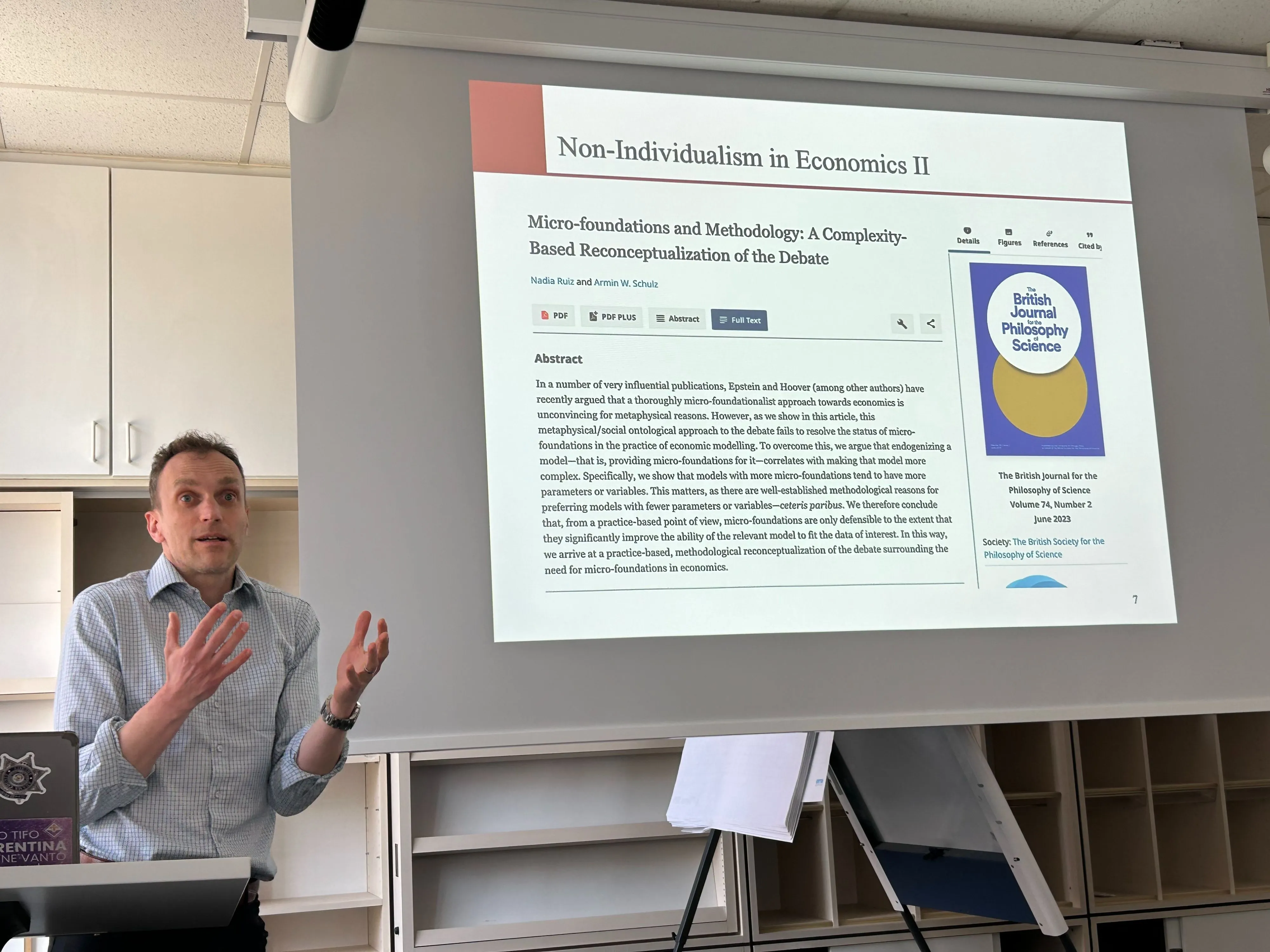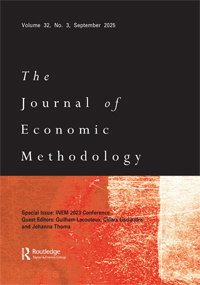
Economic predictions can become self-fulfilling prophecies. In a new paper in the Journal of Economic Methodology, the Maps Team tries to bring some structure to how we think about economists' responsibility for these performative effects. Authors: Lukas Beck, Jakob Ortmann, Matthias Ackermann, Nadia Ruiz, and Philippe van Basshuysen.
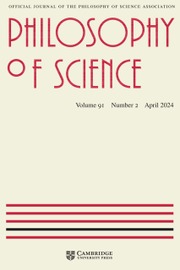
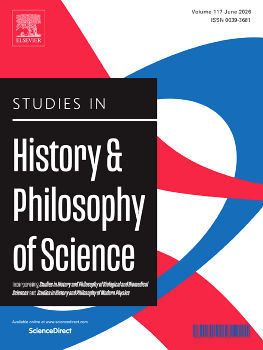
MAPS team member Jakob Ortmann's paper is now available in Philosophy of Science! Notions of 'performativity' in philosophy of science have always been notoriously vague. This paper proposes a different typology for philosophers of science, by going back to the basics: Austin.
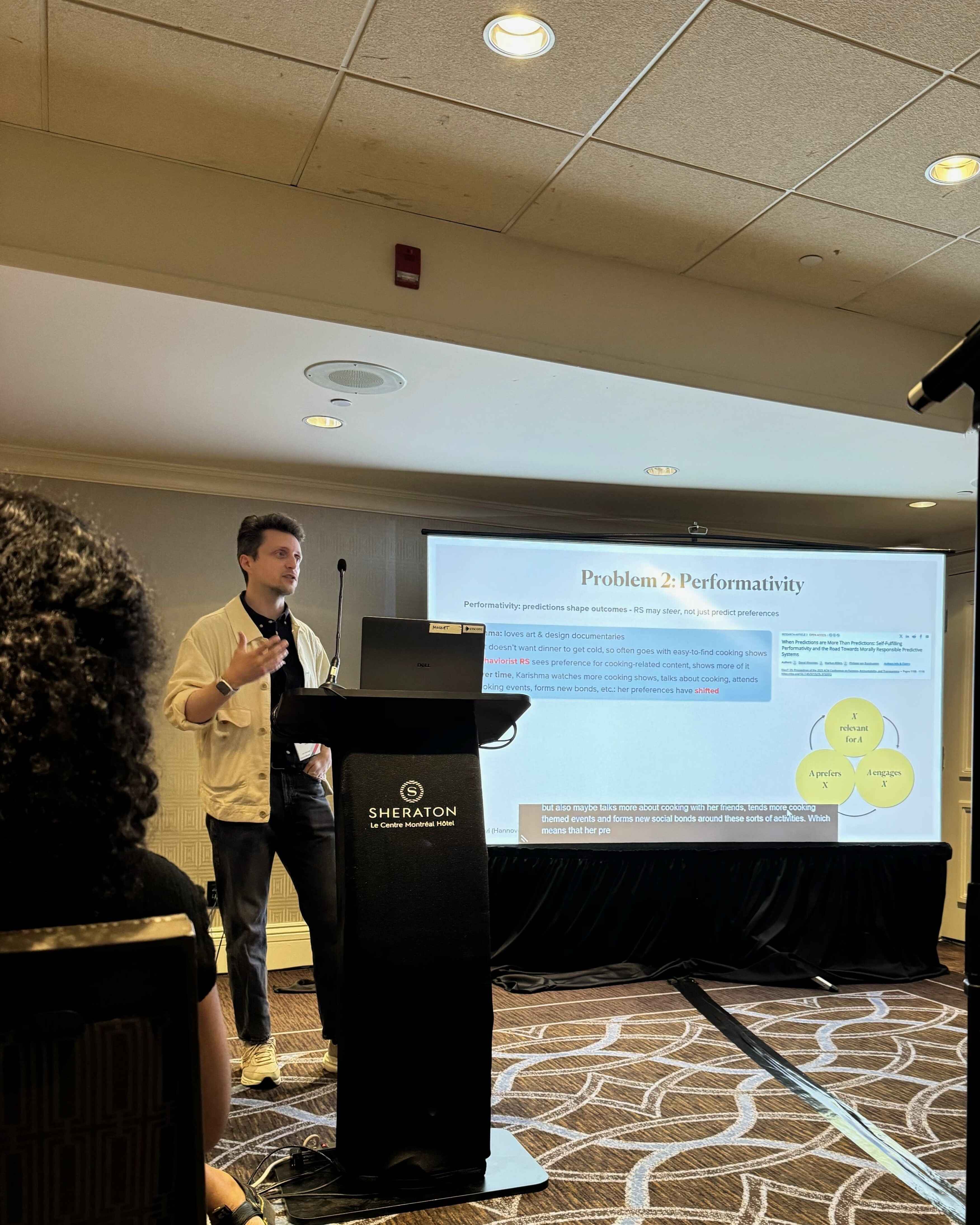
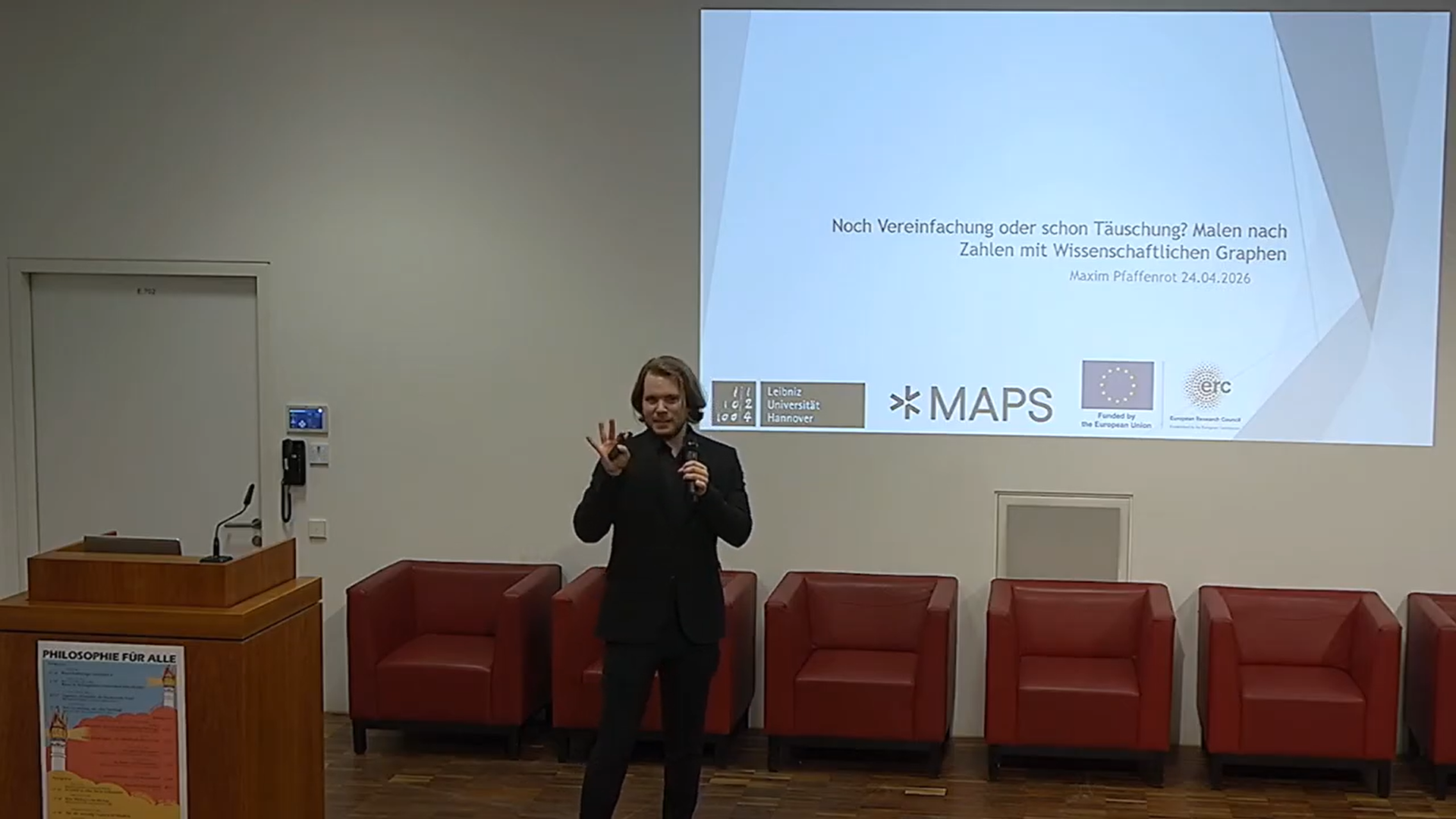
New paper in the ACM FAccT'26 proceedings by Finola Finn, Donal Khosrowi, Caio Mello, Marten Düring and Daniele Guido. Being involved as a philosopher of science on the paper, MAPS-member Donal Khosrowi notes that this work has direct connections to performativity. In essence, archival AI assistants figure as search lights that amplify the importance of whatever they end up pointing at, and, by automating analysis-type tasks, can cement certain readings of historical events over others, which is especially problematic when lay users don’t have the skills to question AI assistants’ authoritative-sounding outputs.
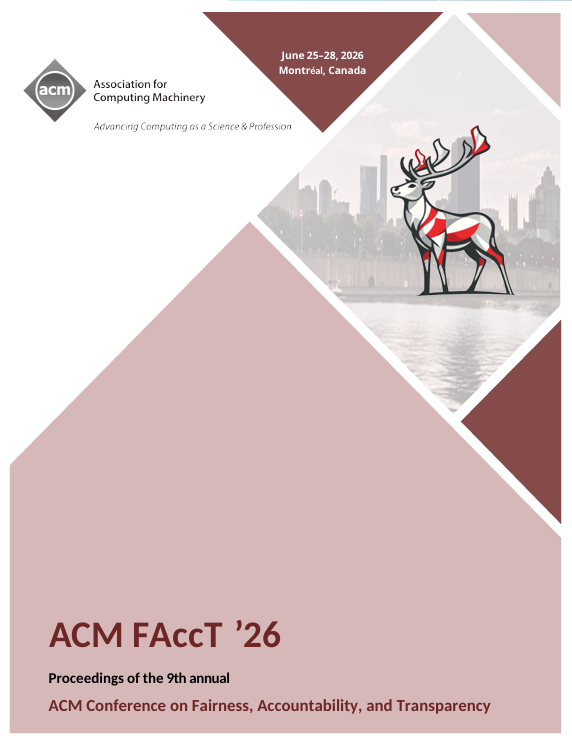
Team members Donal Khosrowi and Lukas Beck’s paper has been accepted for publication in Proceedings of the 2026 ACM Conference on Fairness, Accountability, and Transparency. The paper argues that while the deployment of recommender systems is frequently justified on welfarist grounds, such systems fail to deliver on these ambitions. To rectify this, the paper sketches the contours of an interdisciplinary research program for putting RS on coherent welfare-theoretical foundations.
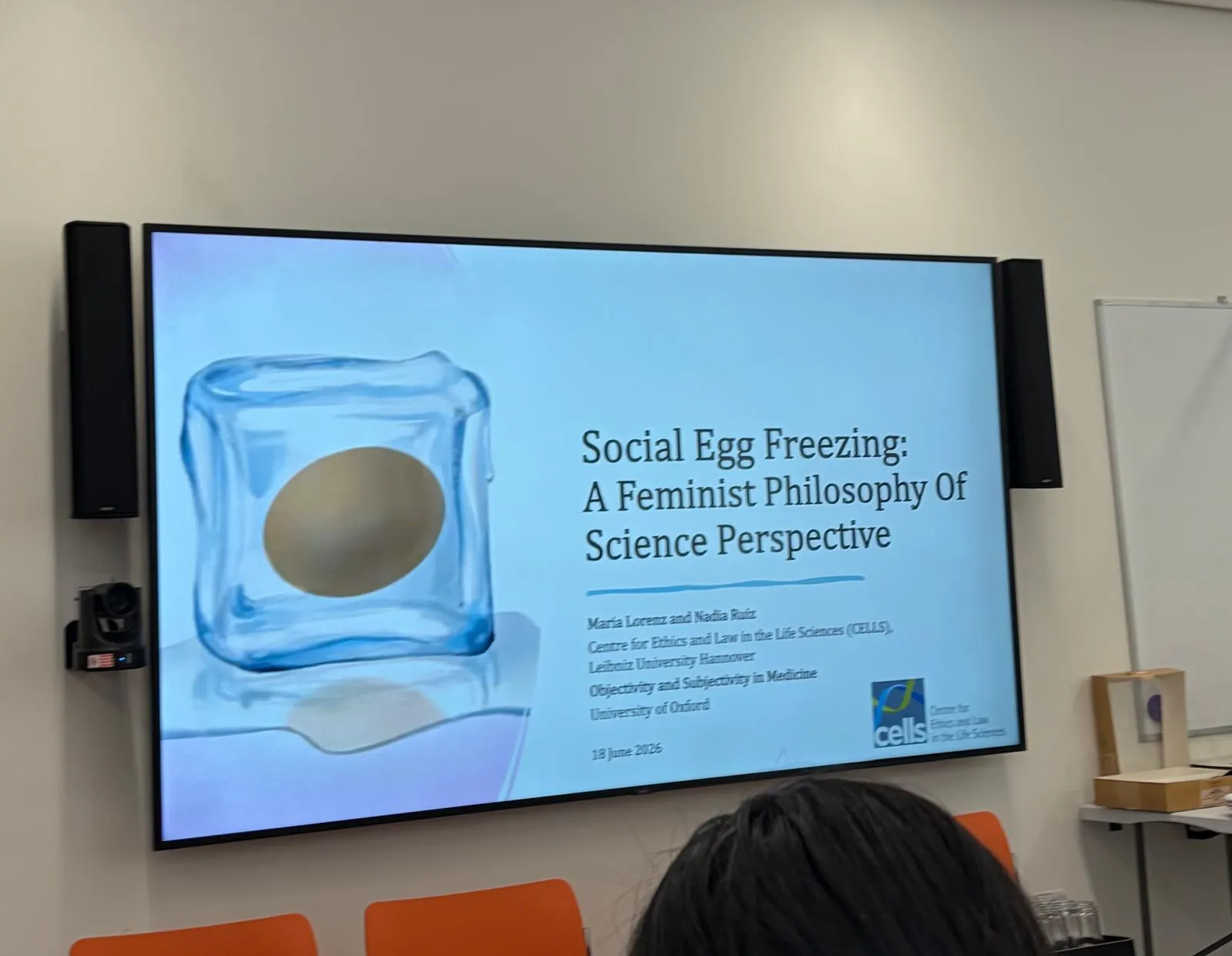
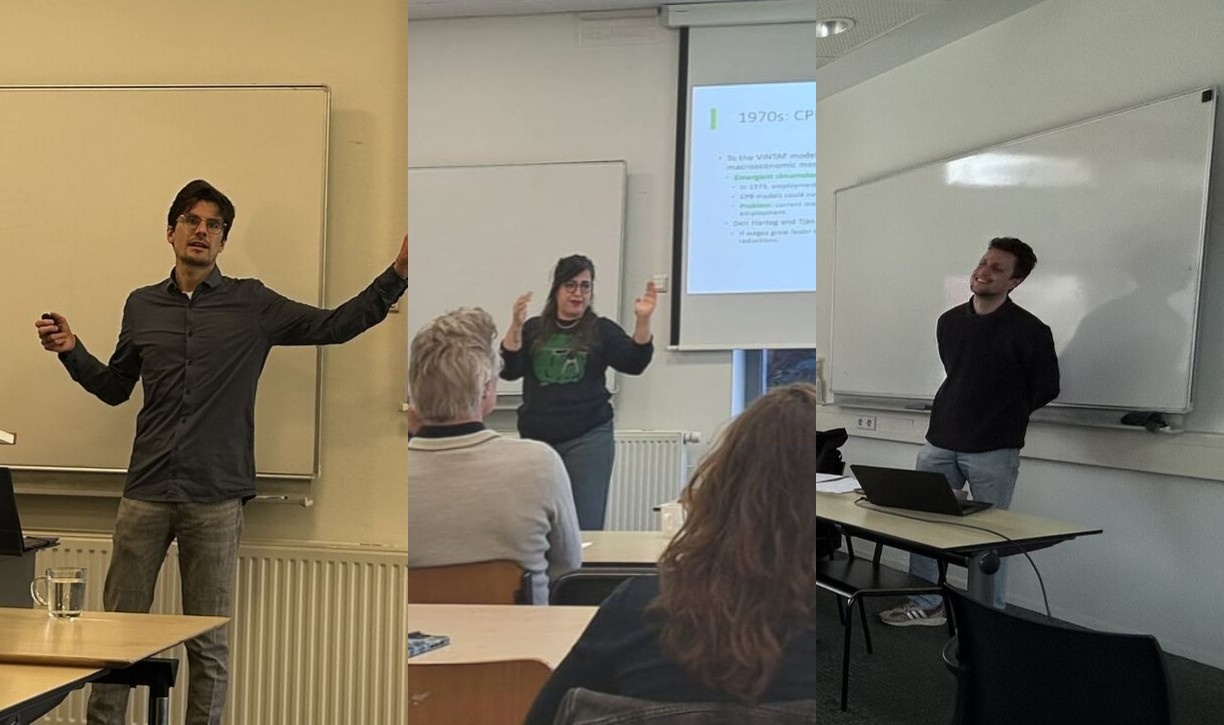
Team member, Nadia Ruiz and co-author Maria Lorenz presented their working paper in the Objectivity & Subjectivity in Medicine workshop at the University of Oxford. Their working paper explores what constitutes a “medical reason” compared to desire-based reasons, and argues that a (mis-)classification exists with epistemic and regulatory consequences tied to gendered ideals about women's reproductive roles.


● News
Economic predictions can become self-fulfilling prophecies. In a new paper in the Journal of Economic Methodology, the Maps Team tries to bring some structure to how we think about economists' responsibility for these performative effects. Authors: Lukas Beck, Jakob Ortmann, Matthias Ackermann, Nadia Ruiz, and Philippe van Basshuysen.
MAPS team member Jakob Ortmann's paper is now available in Philosophy of Science! Notions of 'performativity' in philosophy of science have always been notoriously vague. This paper proposes a different typology for philosophers of science, by going back to the basics: Austin.
New paper in the ACM FAccT'26 proceedings by Finola Finn, Donal Khosrowi, Caio Mello, Marten Düring and Daniele Guido. Being involved as a philosopher of science on the paper, MAPS-member Donal Khosrowi notes that this work has direct connections to performativity. In essence, archival AI assistants figure as search lights that amplify the importance of whatever they end up pointing at, and, by automating analysis-type tasks, can cement certain readings of historical events over others, which is especially problematic when lay users don’t have the skills to question AI assistants’ authoritative-sounding outputs.
Team members Donal Khosrowi and Lukas Beck’s paper has been accepted for publication in Proceedings of the 2026 ACM Conference on Fairness, Accountability, and Transparency. The paper argues that while the deployment of recommender systems is frequently justified on welfarist grounds, such systems fail to deliver on these ambitions. To rectify this, the paper sketches the contours of an interdisciplinary research program for putting RS on coherent welfare-theoretical foundations.
Team member, Nadia Ruiz and co-author Maria Lorenz presented their working paper in the Objectivity & Subjectivity in Medicine workshop at the University of Oxford. Their working paper explores what constitutes a “medical reason” compared to desire-based reasons, and argues that a (mis-)classification exists with epistemic and regulatory consequences tied to gendered ideals about women's reproductive roles.
● MAPS is supported by:

Funded by the European Union (ERC, MAPS, 101115973). Views and opinions expressed are however those of the author(s) only and do not necessarily reflect those of the European Union or the European Research Council Executive Agency. Neither the European Union nor the granting authority can be held responsible for them.